
Advancing Cutting-Edge Medical Research: Cambridge Nanjing Forum 2026 – Pathogenesis and Clinical Management of Parkinson’s Disease Successfully Held
Forums · 2026/11/5 · 18 次浏览
Against the backdrop of an increasingly ageing global population, Parkinson’s disease, as the second most common neurodegenerative disease worldwide, has emerged as a major public health concern threa
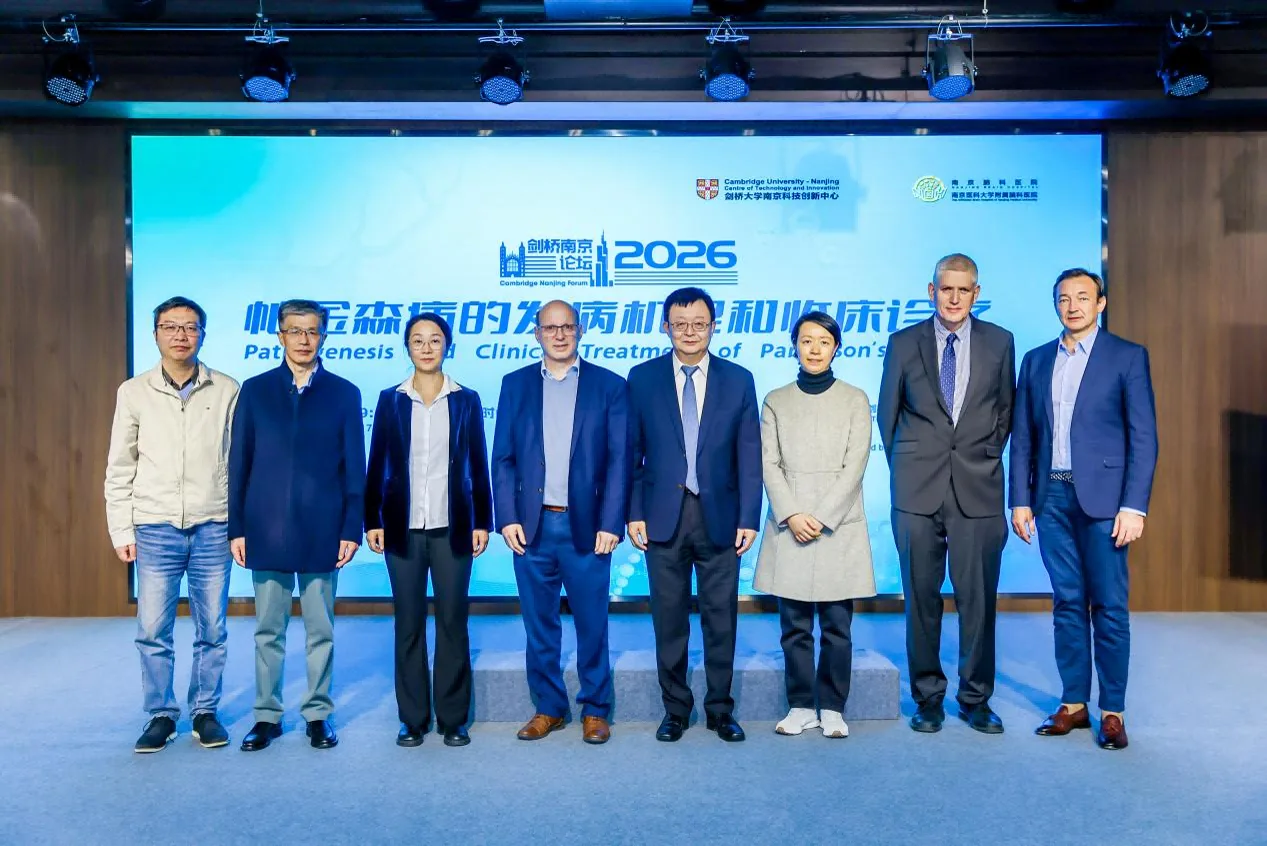
Against the backdrop of an increasingly ageing global population, Parkinson’s disease, as the second most common neurodegenerative disease worldwide, has emerged as a major public health concern threatening the health of middle-aged and elderly individuals. Although Parkinson’s disease remains incurable, scientific understanding, early identification and intervention can significantly delay disease progression and improve patients’ quality of life. The complexity of its pathogenesis and the multifaceted challenges of clinical management are driving the global neuroscience community to accelerate interdisciplinary and cross-border collaborative research.
From 27 to 28 March, the Cambridge Nanjing Forum 2026 – Pathogenesis and Clinical Management of Parkinson’s Disease, hosted by the Cambridge University Nanjing Centre of Technology and Innovation and co-organised by Nanjing Brain Hospital, was successfully held in Nanjing. With the aim of translating basic research into clinical applications, the forum combined academic seminars with clinical site visits, enabling the organic integration of cutting-edge academic sharing and clinical practice.
The event brought together leading UK and Chinese experts from the University of Cambridge, the University of Dundee, Nanjing Brain Hospital, the General Hospital of Eastern Theater Command, Tianjin Medical University General Hospital, Nanjing Medical University, and Union Hospital Tongji Medical College, Huazhong University of Science and Technology, to share the latest advances in Parkinson’s disease research and technological practice. Attendees included Dr Alex Samoshkin, Deputy Director of the Translational Research Office, School of Clinical Medicine, University of Cambridge; Li Zhang, Vice President of Nanjing Brain Hospital and Chief Physician of the Department of Geriatric Neurology; and Professor Daping Chu, Tenured Professor of the University of Cambridge, Academic Director and CEO of CUNJC. The event drew 70 in-person attendees from government, academia, clinical institutions, industry and investment, as well as nearly 800 online viewers, effectively bridging research and industrial resources to create a high-quality platform for collaboration across the innovation chain.
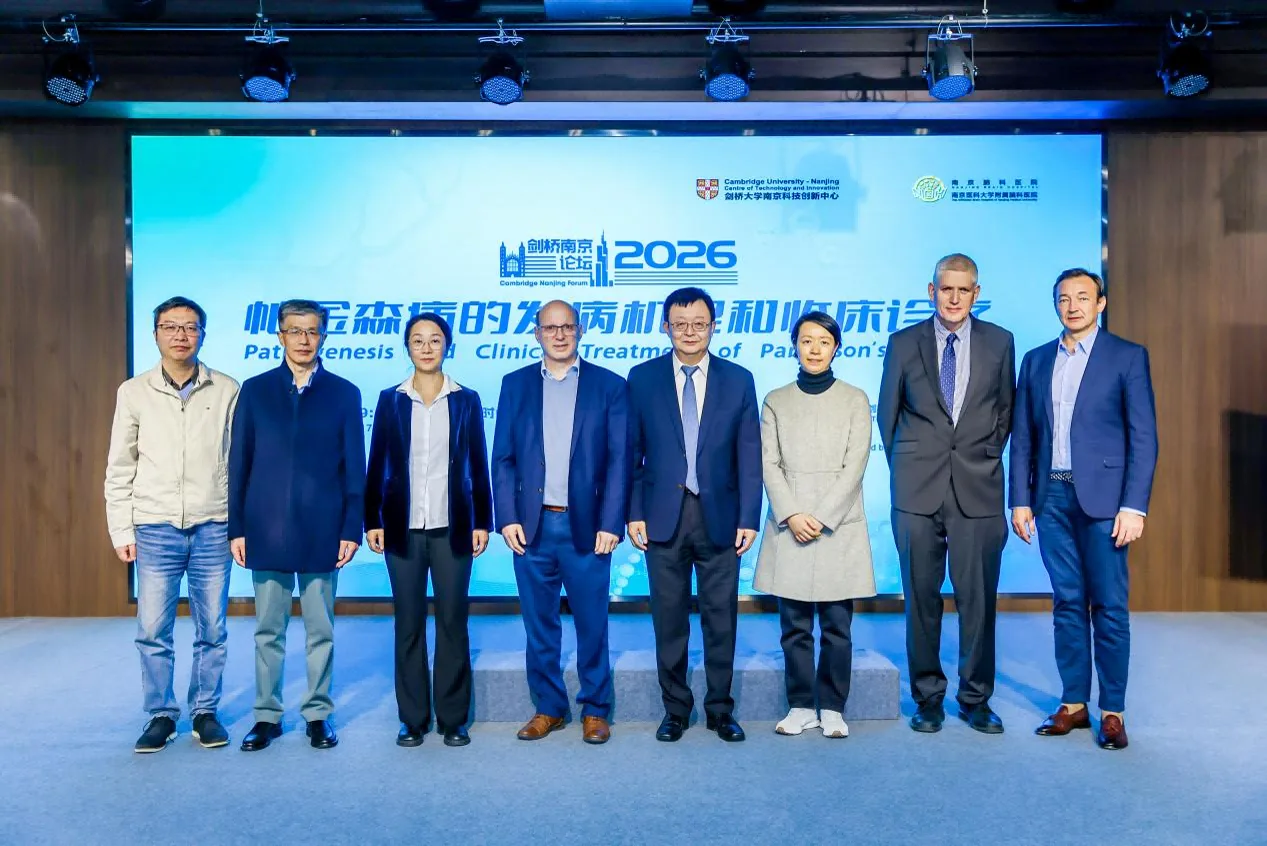
Sino-British Collaboration, Intelligent Solutions for the Future
Grounded in the shared global imperative to advance the diagnosis and treatment of neurodegenerative diseases, the forum leveraged Sino-British scientific and technological cooperation as a key link, establishing a high-end, professional platform for international collaborative research and the exchange of outcomes in the field of Parkinson’s disease.
In the opening address, Professor Daping Chu noted that this forum focuses on the pathogenesis and clinical diagnosis and treatment of Parkinson’s disease, bringing together leading experts and clinical institutions from both China and abroad to advance interdisciplinary collaboration between medicine and engineering as well as cross-border partnerships. He pointed out that breakthroughs in research on major diseases and clinical technologies rely on global collaboration and open cooperation, and that deep integration of medicine and engineering is key to achieving precision diagnosis and treatment. As an international innovation bridge, the Centre will continue to strengthen UK-China and broader international collaboration across multiple fields, accelerating the local translation and large-scale application of cutting-edge technologies.
Pursuing Diagnostic Precision, Building Health Together
At present, research and clinical practice in Parkinson’s disease are advancing towards greater mechanistic precision, individualised diagnosis and treatment, and the effective translation of outcomes into practice. The research findings shared by the attending speakers covered the entire core spectrum of Parkinson’s research and clinical management, including autophagy mechanisms, protein kinase regulation, biomarker exploration, gut microbiota therapy, and cell therapy applications, thereby building an efficient bridge between basic research and clinical application.
Professor David Rubinsztein, Fellow of the Academy of Medical Sciences and the Royal Society and EMBO member, Professor of Molecular Neurogenetics at the University of Cambridge and UK Dementia Research Institute Group Leader, delivered a lecture entitled 'Autophagy and Lysosomes in Parkinsonism'. He discussed recent advances in the understanding of autophagic mechanisms, explaining how mutations in α-synuclein and tau impair autophagy, and analysed the effects of cell-autonomous and non-cell-autonomous processes on neuronal autophagy. His team screened nearly 1,500 compounds in a zebrafish tauopathy model and identified that targeting lysosomal secretion can effectively improve disease phenotypes. This strategy was validated in a mouse model of tauopathy through repurposing of the drug methazolamide, demonstrating promising potential for clinical translation.
Yi Fan, Assistant Dean of the School of Basic Medical Sciences and Head of the Department of Pharmacology, Nanjing Medical University, delivered a lecture entitled 'Aquaporin 4, the Cerebrospinal Lymphatic System and Parkinson’s Disease', in which he systematically explained the key role of aquaporin 4 (AQP4) in the function of the cerebral glymphatic system and its association with Parkinson’s disease. He noted that the clearance of waste from the brain is a complex biological process that does not rely simply on diffusion or convection, and that AQP4 deficiency can lead to dysfunction of the glymphatic system, as well as exacerbate the deposition of α‑synuclein and the loss of neurons. He further elaborated that the function of AQP4 extends far beyond that of a water channel; it may participate in the pathological process of Parkinson’s disease by influencing astrocyte function, although the underlying mechanisms warrant further investigation. This study offers new insights into understanding the pathogenesis of Parkinson’s disease and identifying potential intervention targets.
Professor Dario Alessi, Fellow of the Academy of Medical Sciences, Fellow of the Royal Society, Fellow of the Royal Society of Edinburgh, Member of EMBO, Director of the Medical Research Council Protein Phosphorylation and Ubiquitylation Unit, and Professor of Signal Transduction in the School of Life Sciences at the University of Dundee, delivered a talk entitled 'Deciphering LRRK2 Signalling Pathways in Parkinson’s Disease'. He revealed the pathogenic mechanism by which autosomal dominant missense mutations disrupt the inactive conformation of the LRRK2 kinase, leading to its hyperactivation, with corresponding inhibitors now in clinical trials. This research integrates multidisciplinary approaches including biochemistry, cell biology and genetics, providing an important theoretical basis for LRRK2-targeted therapies in Parkinson’s disease.
Ruibing Guo, Director of the Neurology Ward, General Hospital of Eastern Theater Command, delivered a keynote lecture entitled 'Faecal Microbiota Transplantation for Parkinson’s Disease', in which she shared the latest research findings on the association between Parkinson’s disease and the gut microbiota, as well as clinical interventions in the field. The study found that gut microbiota dysbiosis is an early event in the prodromal phase of Parkinson’s disease rather than a consequence of constipation or motor dysfunction. A recent study has shown that washed microbiota transplantation is safe and well tolerated in untreated patients with mild to moderate Parkinson’s disease, and significantly improves both motor and gastrointestinal symptoms. This finding supports the gut-brain axis underlying the pathogenesis of Parkinson’s disease and opens up a new direction for non-pharmacological treatment of the condition.
Xiaodong Zhu, Chief Physician of the Department of Neurology, General Hospital of Tianjin Medical University, delivered a lecture online entitled 'Biomarkers in PD', introducing research progress on multi-dimensional biomarkers. These cover molecular imaging, EEG, blood-based markers, and genetics, all of which can facilitate early identification of Parkinson's disease, subtype differentiation, and disease monitoring.
Li Zhang, Vice President of Nanjing Brain Hospital and Chief Physician of the Department of Geriatric Neurology, delivered a lecture entitled 'Research on the Clinical Characteristics of Non-Motor Symptoms in Parkinson’s Disease' at the forum. The study found that over 90% of patients with Parkinson’s disease experience non-motor symptoms, which can appear several years before motor symptoms and affect multiple systems including sleep, sensation, mood and the autonomic nervous system, significantly impacting patients’ quality of life. Her team’s research identified key features, risk factors and links to disease progression of common non-motor symptoms like sleep disorders and visual hallucinations. This work provides important reference for early identification and personalised management of these symptoms, and advanced the recognition of Parkinson’s as a multisystem disorder syndrome.
Professor Roger Barker, Fellow of the Academy of Medical Sciences, Professor of Clinical Neuroscience at the University of Cambridge, delivered a lecture online entitled 'Taking Dopamine Cell Therapies to the Clinic in Parkinson’s Disease', in which he systematically reviewed the development of dopamine cell therapies for the treatment of Parkinson’s disease. He noted that although early transplant studies using human foetal midbrain tissue succeeded in restoring dopaminergic innervation to the striatum in some patients, clinical benefits varied significantly between individuals and there was a risk of graft-induced dyskinesias. Currently, several clinical trials using dopamine neurons derived from human pluripotent stem cells are underway, with preliminary results suggesting that the approach is generally safe; however, graft survival, consistency of clinical efficacy and immunosuppression regimens still require further optimisation.
Tao Wang, Chief Physician at Union Hospital Affiliated with Tongji Medical College, Huazhong University of Science and Technology, delivered a lecture entitled 'Sleep and Immunity', in which he explored the close relationship between the two. Data show that adequate sleep optimises immune cell function, helps balance inflammatory responses in the body, and aids in fighting infection, while chronic sleep deprivation or insomnia can trigger chronic inflammation, increase the risk of disease, and even reduce the effectiveness of vaccinations. By improving sleep quality and managing sleep disorders, immune defence can be effectively enhanced.
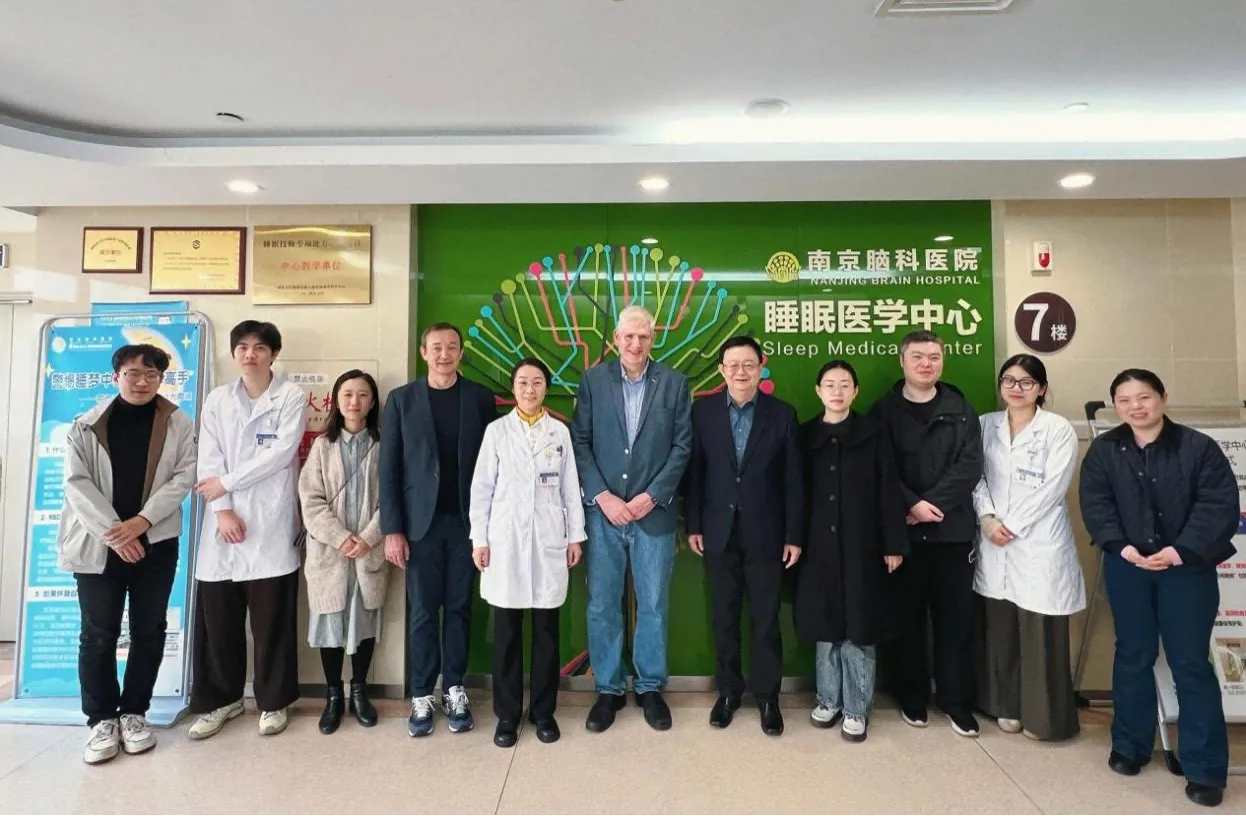
Distinguished guests of the forum visited Nanjing Brain Hospital for on-site exchanges and clinical observation.
Neuroscience and brain health research have become cutting-edge fields in the life sciences globally. Neurodegenerative diseases, such as Parkinson’s disease, pose a significant health challenge in ageing societies and represent a key area for international scientific collaboration and the promotion of interdisciplinary innovation between medicine and engineering. Building on last year’s forum dedicated to sleep health, this year’s event further focused on brain science and neurodegenerative diseases, deepening academic exploration and professional discussion in this field.
Since its inception, the Centre has closely aligned with Nanjing’s strategic goal of building an innovative biomedical industry cluster, identifying biomedicine and healthcare as one of its core research priorities while driving high-level international science and technology collaboration. As it marks its eighth anniversary, the Centre will further leverage its strengths in Sino-UK cooperation and its role as a hub for science and innovation. By building high-level platforms for international academic exchange, it aims to facilitate the translation of cutting-edge research outcomes into practical applications.