
Nanjing Daily Zijinshan News Interview with Professor Chu Daping | Link Innovation Block to Burn out New Mkinetic Energy
CUNJC News · 2026/11/6 · 8 次浏览
Professor Chu Daping, Professor of Cambridge University for Life, Academic Director and CEO of Nanjing Science and Technology Innovation Center of Cambridge University, accepted an
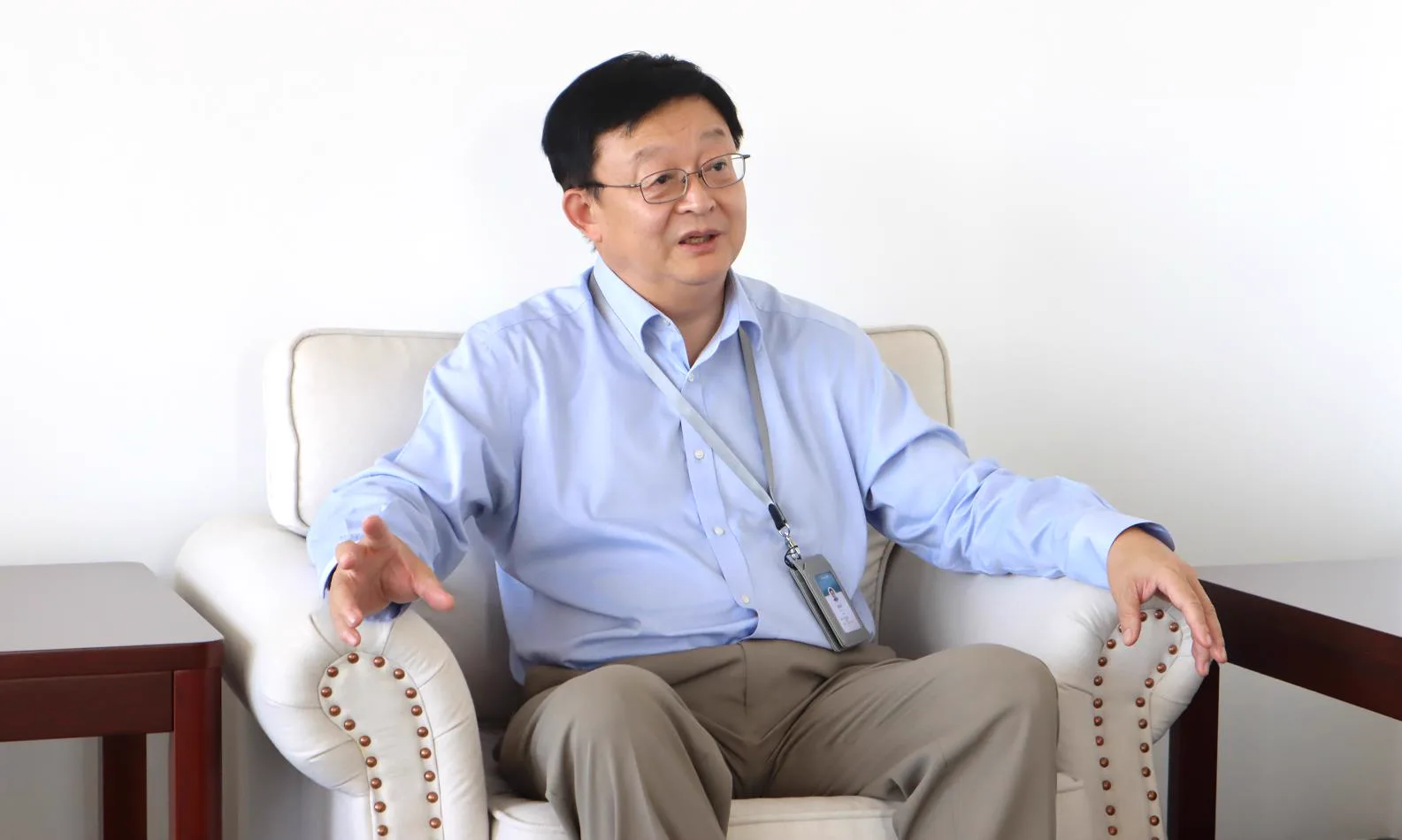
Professor Chu Daping, Professor of Cambridge University for Life, Academic Director and CEO of Nanjing Science and Technology Innovation Center of Cambridge University, accepted an exclusive interview with Zijinshan News of Nanjing Daily on the topic of international cooperation and technology transfer and transformation. The full text is reproduced as follows:
"the connector between Cambridge and Nanjing", "the generator of the application of innovative technology", "the amplifier of the potential energy of science and technology", "the accelerator of innovation and entrepreneurship" ...... The Nanjing Science and Technology Innovation Center of Cambridge University has attracted much attention since its establishment in Nanjing Jiangbei New District in November 2018. Now, more than three years have passed, what role has the research institution and achievement transformation platform established outside the UK for the first time in the 800-year history of Cambridge University played? The reporter made a visit.
- and Nanjing hand in hand because here is a "hot land of innovation"
University of Cambridge holding hands with Nanjing? Recently, Professor Chu Daping, Tenured Chair Professor of Cambridge University, Director of Advanced Opto-Electronics Research Center (CAPE) and Director of Center for Photoelectric Devices and Sensors, Academic Director and CEO of Nanjing Science and Technology Innovation Center of Cambridge University, gave an in-depth explanation of this.
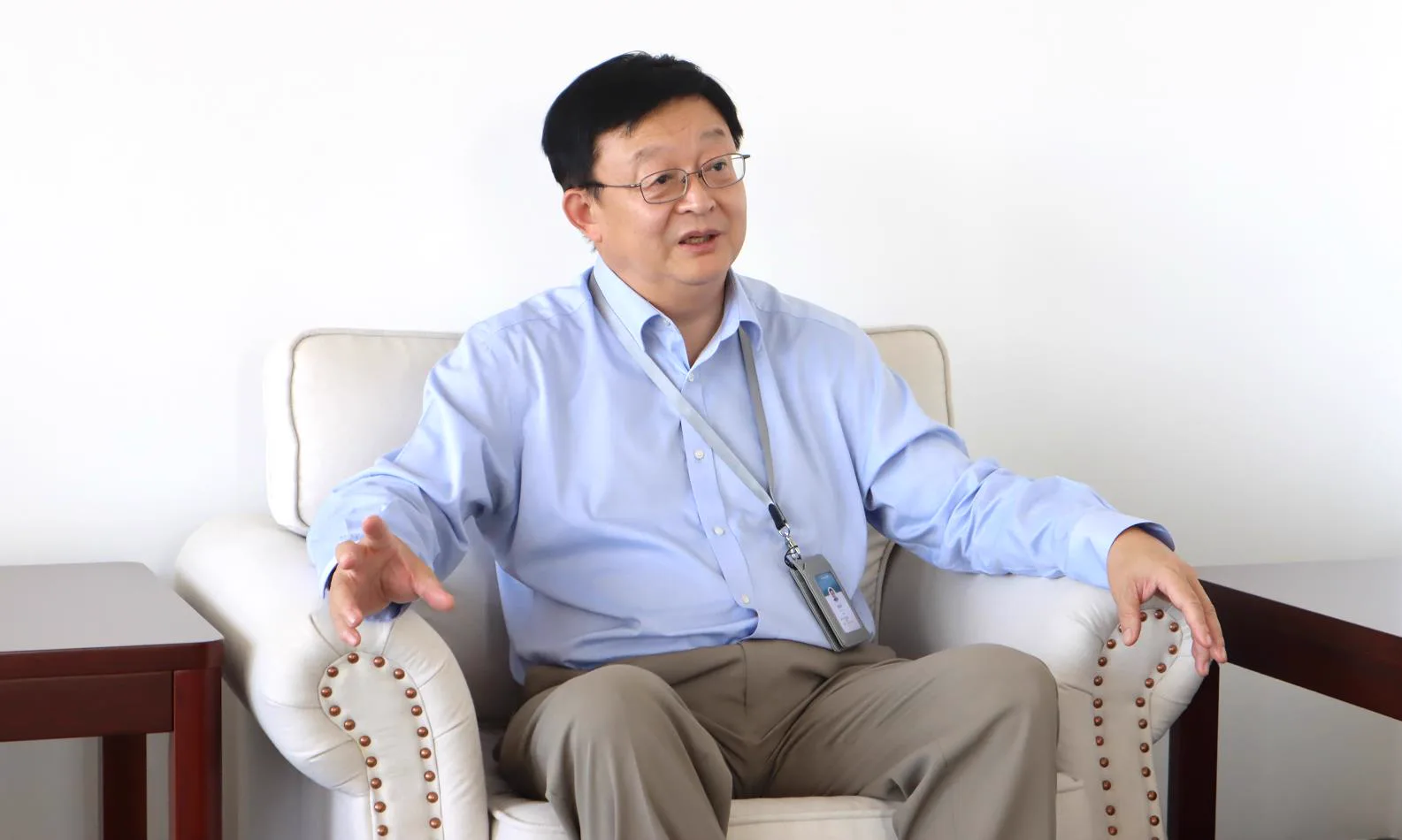
Chu Daping
Daping said that Cambridge University has always been committed to pursuing first-class education, learning and research, and putting research results into industrial application to contribute to society; international cooperation is also an important idea for Cambridge University to seek development, and China is a very important part of Cambridge's internationalization process. As a scientific and technological innovation highland comparable to Silicon Valley in the world, the area around Cambridge is called "Silicon Fen" (Fen). It is the location of a large number of R & D enterprises focusing on software, electronics and biotechnology. Many enterprises have direct or indirect connections with Cambridge University. Within the 25-kilometer radius of Cambridge, they have not only stepped out of multinational enterprises and field leaders such as AstraZeneca and ARM, more than 5000 emerging technology companies have also gathered. Even if they start their own businesses, the 5-year survival rate of start-ups around Cambridge has reached 92%, which is much higher than the 10% five-year survival rate of general science and technology parks. "The basic research and incubation capacity of the University of Cambridge is there for all to see." Chu Daping said that when choosing partners in China, they had thought carefully. If Nanjing is the leader of the innovation fever in the Yangtze River Delta, Jiangbei New District is the trendsetter of Nanjing's innovation. As the thirteenth national-level new district approved by the State Council, through the two-wheel drive of technological innovation and institutional innovation, it focuses on the construction of a chip city, a gene city and a new financial center, and strives to promote the creation of an independent innovation pilot zone and a new urbanization demonstration zone., The modern industrial cluster area in the Yangtze River Delta region and an important platform for foreign cooperation in the Yangtze River Economic Belt are accompanied by the strong demand for the world's top innovation resources and high-end.
"the development of the new district is rising steadily, the center and the new district are growing together, the two sides are promoting each other's progress, and landing in Jiangbei New District is a wise choice," said Professor Chu Daping. Focusing on Nanjing, it has the advantages of "4 4 1" leading industrial clusters. It is also an important scientific research and education base in the country. It is rich in scientific research reserves and has 53 colleges and universities including Nanjing University and Southeast University. The architectural design of the Nanjing Science and Technology Innovation Center of Cambridge University reflects the presentation of the public space of Cambridge University, combining the classical style of natural science with the vitality of modern innovation. Wandering here, the breath of innovation is coming.
The Nanjing Science and Technology Innovation Center Project of Cambridge University, as a landmark platform for Nanjing Jiangbei New District to implement the national strategy of "independent innovation pilot zone", adheres to the overall direction of applied research-oriented and industrial promotion-oriented, focusing on innovative scientific research, innovation transformation and innovation linking work, and has steadily achieved a series of results. Docking domestic colleges and universities, scientific research institutions, science and technology enterprises and other cooperation, promote the landing of new technologies, and help the construction of scientific and technological innovation system. In Chu Daping's view, scientific research can be roughly divided into three complementary stages: "basic research-original applied research-technology development. Basic research such as mathematics and physical chemistry is mainly to explore the unknown and understand the world. On this basis, researchers engage in further application and engineering research according to the understanding of nature obtained in the process of basic research. A considerable part of these applied studies are original (such as computers, the Internet, video calls and other scientific and technological applications and products that do not exist in nature). Transferring these applied research into specific manufacturing technologies, developing into specific products, realizing the mass production of low-cost and highly reliable products, promoting them into the market, and being accepted and recognized by users, finally forming a complete value chain from scientific and technological innovation to the transformation and industrialization of scientific and technological achievements. In this chain of industrialization of research results, the value of Cambridge University is reflected in basic research and original applied research deepened by basic research. Original applied research is the key to innovation. At present, when domestic enterprises purchase overseas technology, they can only purchase recent or even long-used technology. Carrying out applied research and original innovation from the upstream is the only way for industrial transformation and upgrading and achieving technological leadership. Cambridge University hopes to apply the latest and leading technologies to China through the Nanjing Science and Technology Innovation Center. "The Nanjing Center of Cambridge University is a link embedded in the industrialization chain of research results. This model is rare in China," Chu Daping explained. "In other words, the center focuses on transforming applied research into technology and industry. In the process of innovation, focusing on applied research, we will make breakthroughs at both ends: downstream, market demand-oriented, and industry-based benchmarking, at the same time, through the needs of the market and industry, the original research in the upstream will be driven to form a virtuous circle and promote industrial upgrading. This is the original intention of the establishment of the Nanjing Center of Cambridge University."
- Sharing Scientific Research Incubation "Innovation Space"
Kechuang Center uses the main color of "Cambridge Red and Blue" to gather the most forward-looking scientific research achievements in the industry. In the quiet and elegant open library, thousands of English academic books can be read, and the massive resources of Cambridge University can be connected 24 hours a day. Immersive conference center incorporates elements such as English Gothic tip willow window and grid ceiling, fully meet the needs of high-end academic forums ...... The Nanjing Science and Technology Innovation Center Project of Cambridge University actively explores the path of green and low-carbon development, and is committed to creating new immersive, interactive and shared scientific research experiences.
are here, and there are start-ups that have hatched. They not only started their own businesses, but also got orders through the center. Deng yuanbo, who graduated from Cambridge university's engineering department and majored in optoelectronics, is now the CEO of Nanjing ruiweishi technology co., ltd. the technology he invented when he was studying for a doctor-3D AR-HUD, which is about the intelligent display direction of cars and can make driving safer and smarter. with unique original technology, ordinary cars can also enjoy visual intelligent navigation. At the end of 2020, Deng Yuanbo came to Nanjing to start a business trip, put the company in the center, using the incubation mechanism here to grow rapidly, and completed angel financing in 2021. Now the company has 26 people and has cooperated with more than a dozen car factories and has orders. In the Nanjing Science and Technology Innovation Center of Cambridge University, there are many companies like Ruiwei, and they are thriving in Nanjing. In the first half of 2022, the center's scientific and technological research and development and commercial activities will be carried out simultaneously to create a three-dimensional pattern with scientific and technological innovation as the main line and multiple resources of Cambridge University as the support. it is closely linked to the construction orientation of "three platforms and one center" of independent innovation research platform, scientific and technological achievements transfer and transformation platform, resource agglomeration platform and international influence center, to be "the connector between Cambridge and Nanjing", "the generator of the application of innovative technology", "the amplifier of the potential energy of science and technology" and "the accelerator of innovation and entrepreneurship" to serve the economic and social development.
* This article is reprinted from Nanjing Daily Purple Mountain News.
相关阅读
- Roundtable Sharing | Driving the Transformation of Research Outcomes Through International Innovation, Empowering Industrial Development with Cutting-Edge Technology
- CUNJC attends the enterprise symposium of Nanjing Science and Technology Bureau
- CUNJC approved to establish Provincial Post-doctoral Innovation Practice Base